
As you probably already know the true meaning of the word occult is ‘hidden’. While the term occult is very often given broadly to a whole range of esoteric philosophies, traditions rituals and beliefs there is not one occult. It just simply means hidden knowledge.
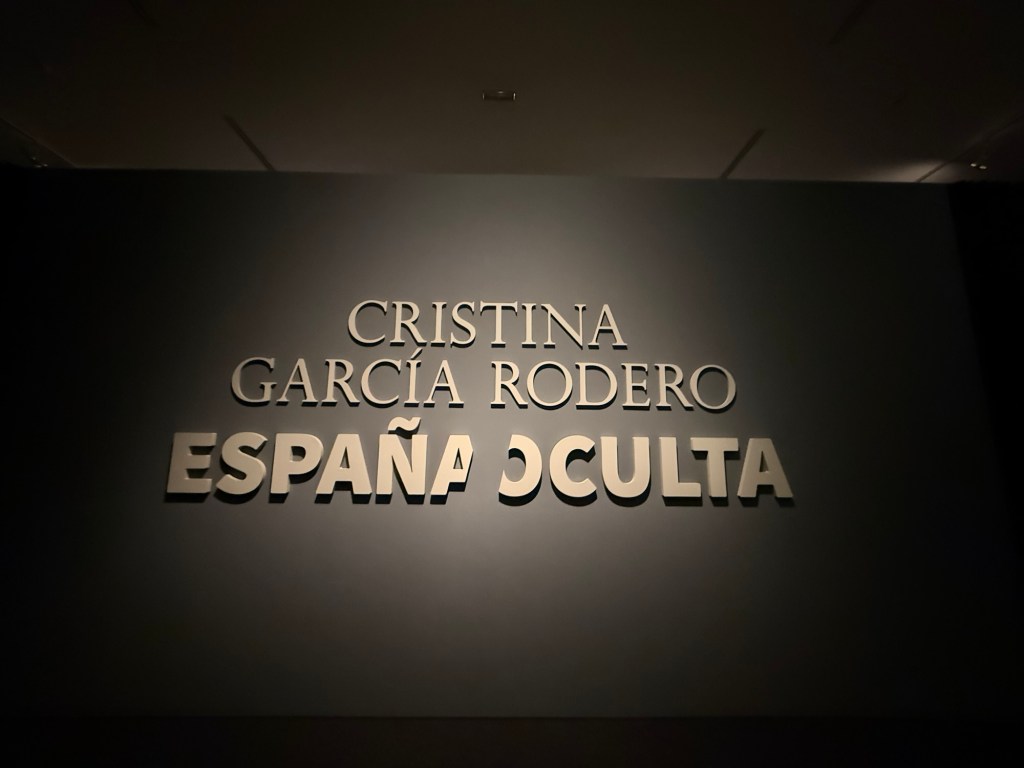
The Christina Garcia Rodero photography exhibition Espana Oculta is not about ‘the Spanish occult’ in the occultism sense; it is not an exhibition about witchcraft or anything of that kind. Or is it? I went into the exhibition of these phenomenal black-and-white photographs all taken in the 1970s and 1980s not knowing what to expect.. Of course I have been completely saturated in the works of Francisco Goya, one of my absolute favourite painters of all time; and the films of the wonderful Luis Bunuel one of the world’s greatest ever filmmakers. What astonished me is that Rodero’s photographs are literally real life versions of Goya’s etchings such as los Caprichos, Las Brujas, and others. Truly what I was seeing in this photographic prints were Goya and Bunuel brought to life.
Rodero travelled around rural Spain taking photographs in towns and villages of local traditional festivals and rituals and the amazing strangeness of daily life. she had an amazing eye for capturing the decisive moment: when an old woman’s singing twists her face in a strange way or a tumbler’s somersault creates an inhuman form. Everything is saturated in an astounding bizarreness while at the same time it is all too real, revealing poverty and hardship lived by the people in the pictures. A toothless father cares for two tiny girls, one of whom is stolidly smoking a cigarette. Weather beaten old women accompany a tiny casket, presumably for burial.
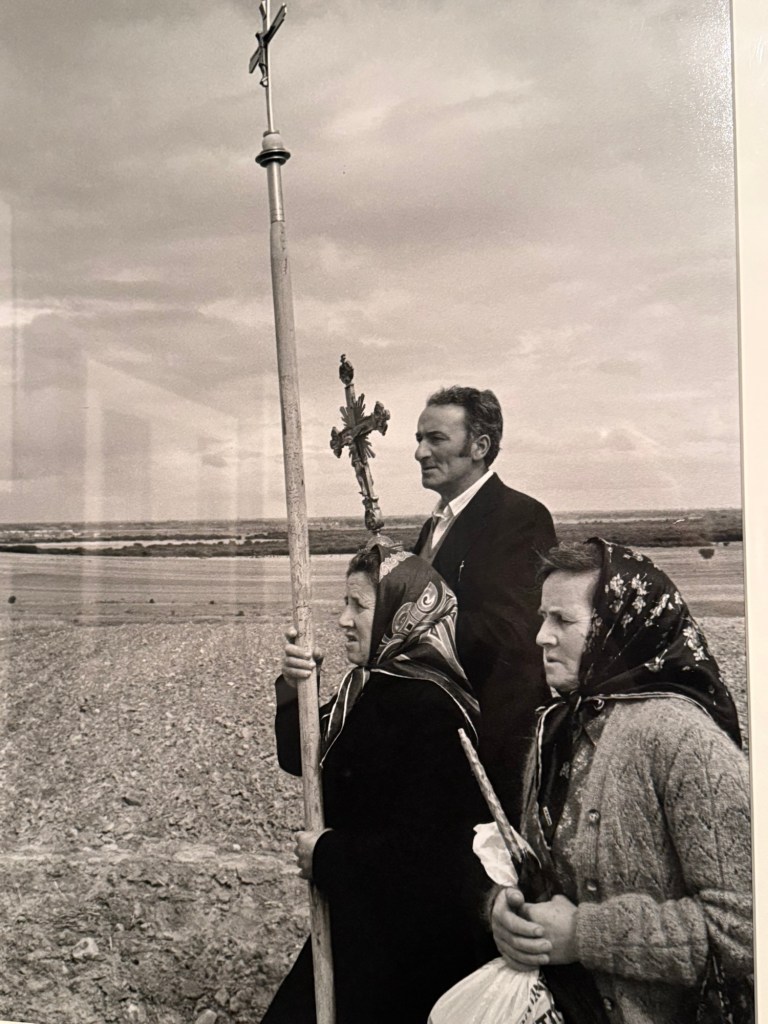
Rogativa de pluja a la Mare de Déu de Castrotierra
Rain prayer to the Virgin of Castrotierra
1981
LA VALDUERNA
This photograph above is taken in an extremely rural area called La Valduerna in the north of Spain. a quick look online showed me that it looks pretty much now the same as it did in 1981: vast flat landscape of countryside. It is obviously a wholly agricultural area and so it makes sense that these villagers are taking part in a rain prayer, a ritual that is absolutely timeless and goes back to the very beginnings of human history – calling forth the rain. The Native Americans perform the rain dance; the Jews have a prayer.’Mashiv HaRach U’Morid HaGashem’ In Islam it is known as ‘Salat al-Istisqa’. By the Catholic Christians it is called Rogation . But of course it has its roots in the most ancient traditions. It begins with a supplication, then an intercession asking some kind of holy figure or saint or God to pray for rain on your behalf and there is very often a ritual, as we can see with these crosses.
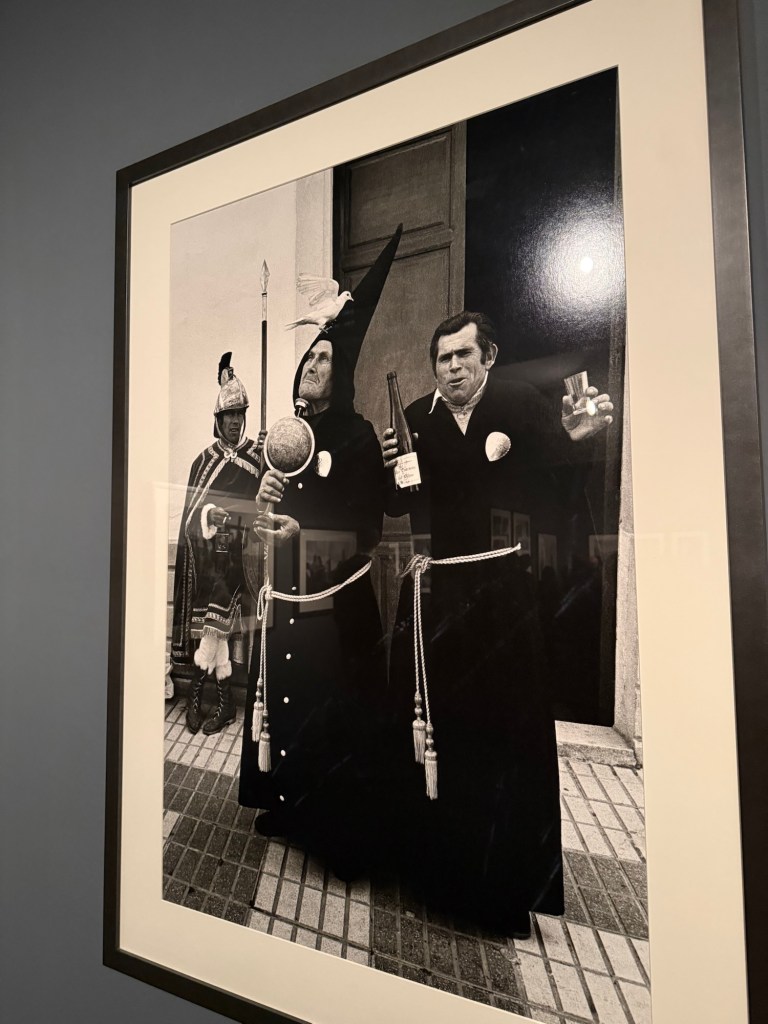
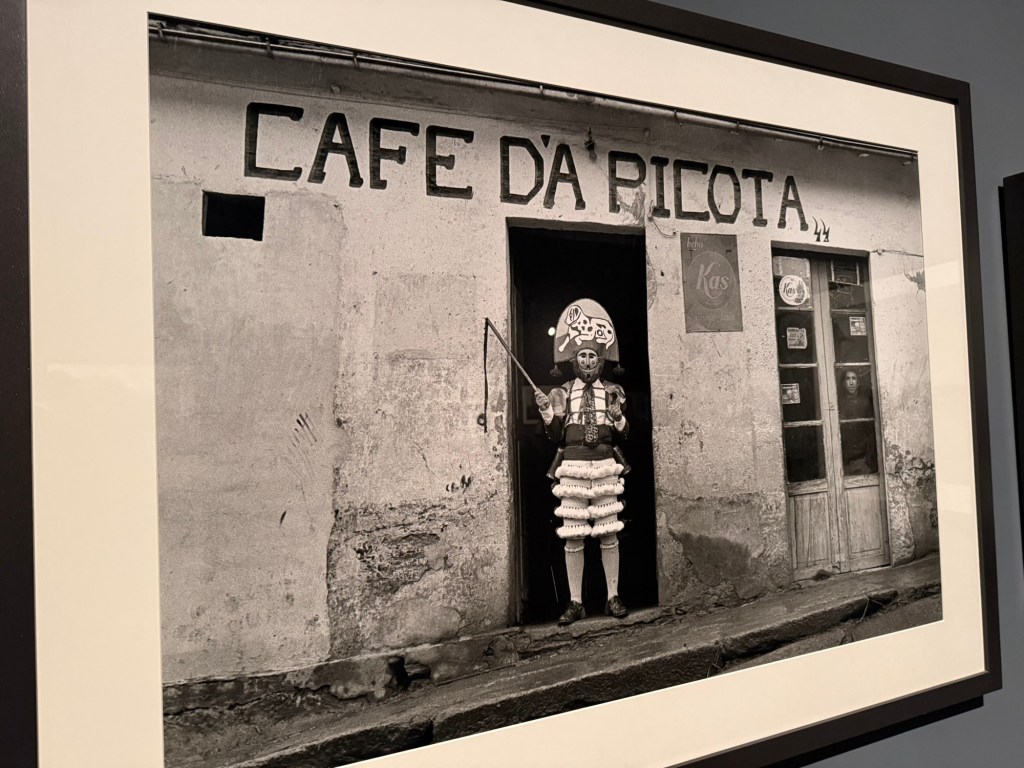
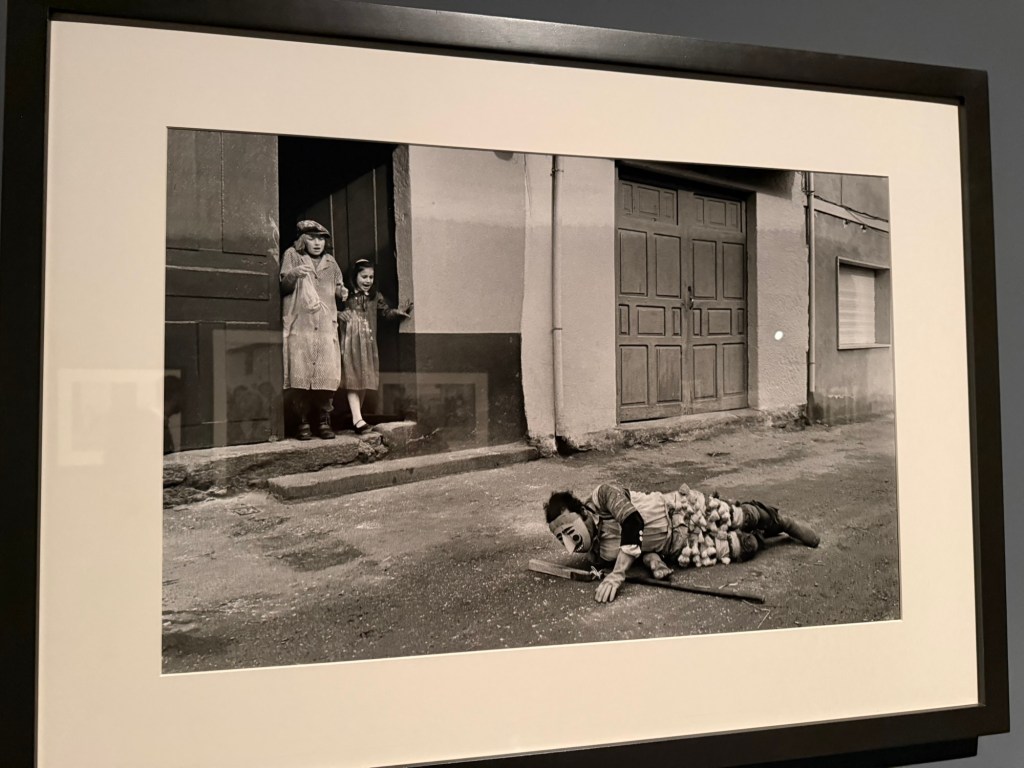
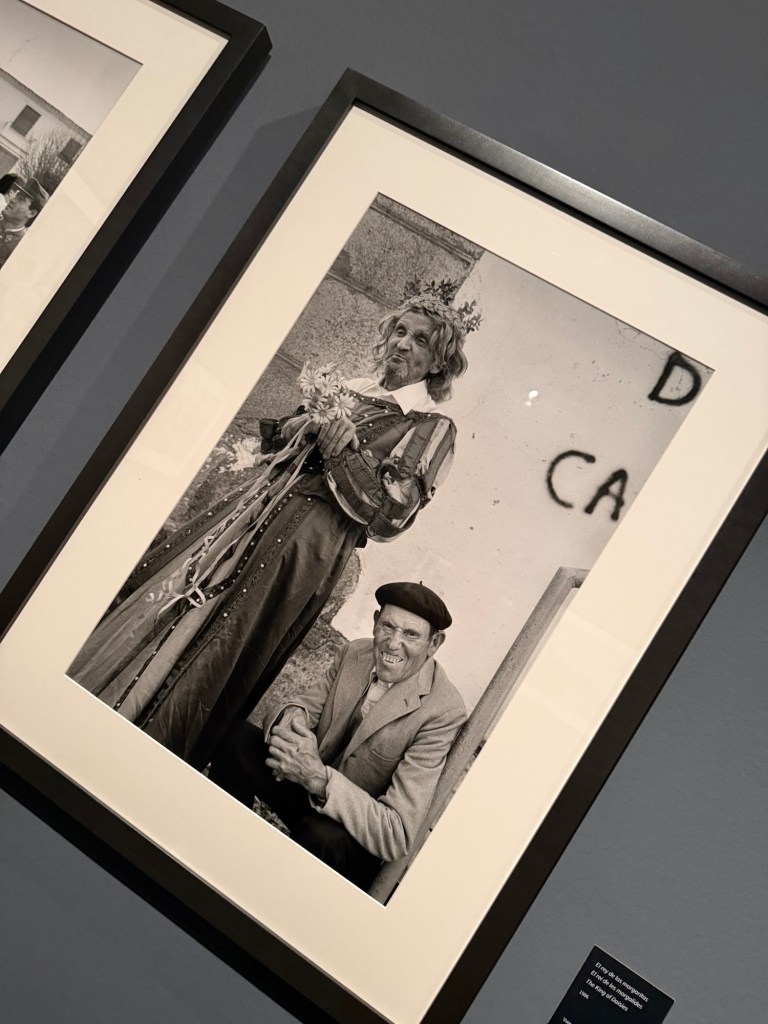
So no, maybe not witches but certainly there’s something strange, something inevitably pagan in these rural rituals. Especially a very large exhibition these are only a few snaps that I took in order to remember it. It’s at the Valencia Institute of modern art (IVAM) and I think it’s very likely that I’ll go again. I’m quite haunted by these pictures and I think I need to have an another look at them.
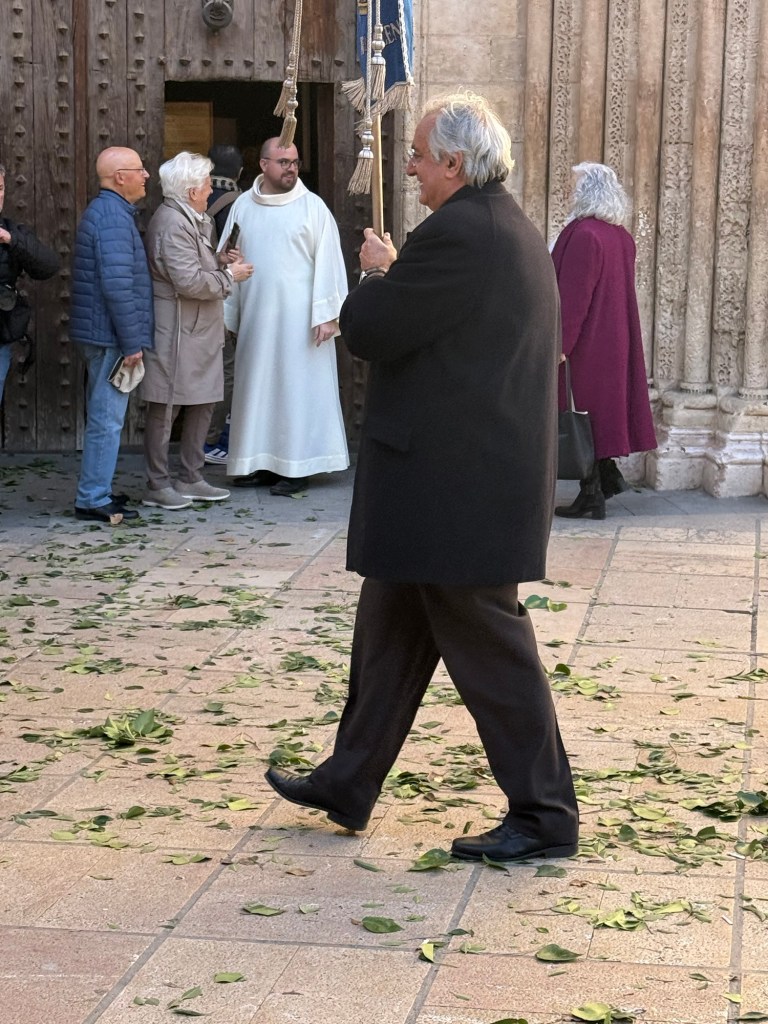
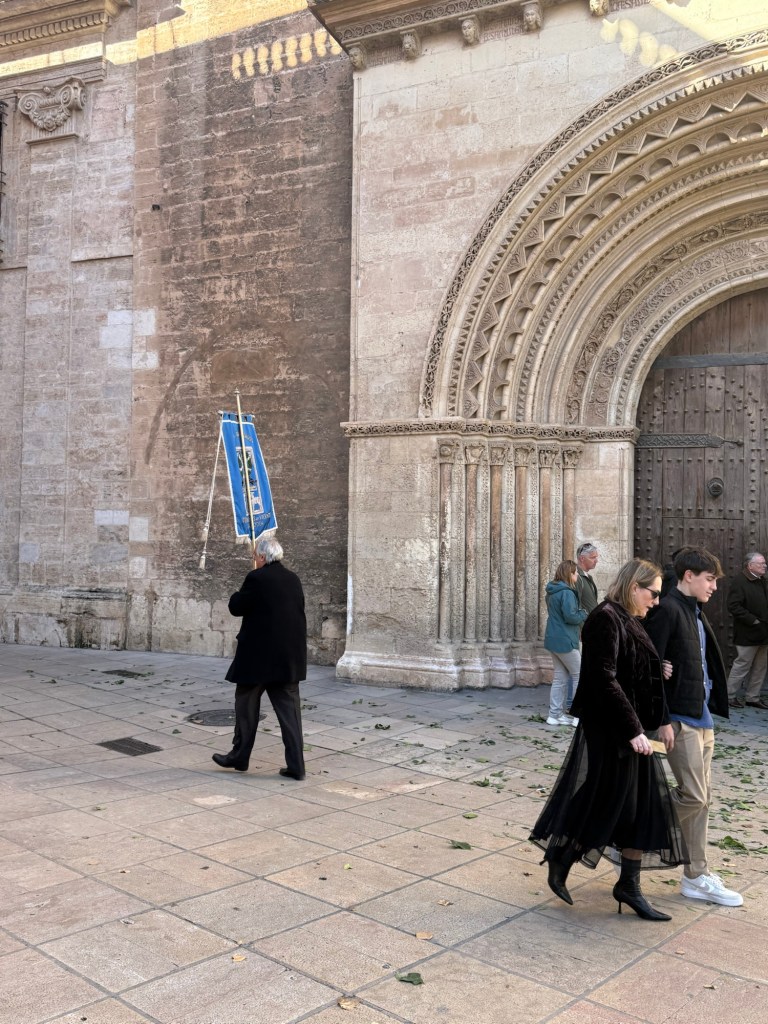
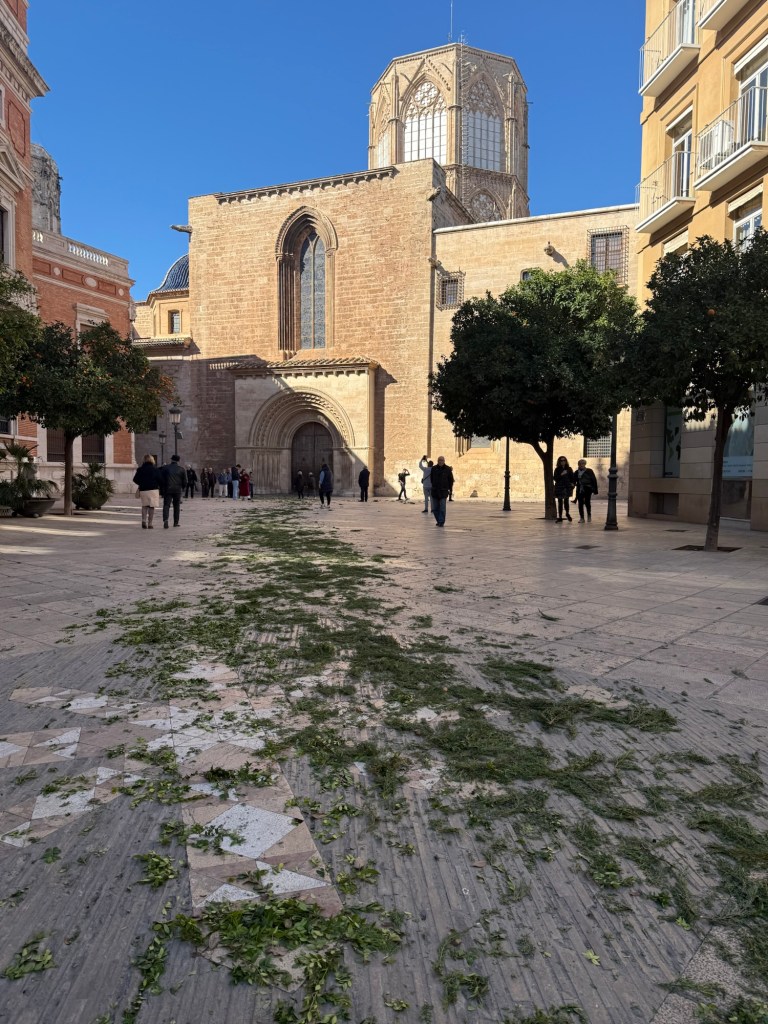
As it happens, I have been in Valencia for the St. Vincent festival, which is the festival for the patron saint of the city and I managed to take a few pictures while walking around today.
Cristina García Rodero. España Oculta
ExposiciónIVAM Centre Julio González
04 dic. 2025 – 08 feb. 2026
 Art and Magick