
After the shows at Swedenborg House at the end of Oct 2024 I packed the Eidophusikon away and spent some time reflecting on the project, the research, the writing I am doing about Loutherbourg and his work, and where to go next with it.
It takes up too much space, and I can’t really set it up properly, so this was frustrating. I needed to see it, play with it, and experiment.
Well, today, I took a set of keys for my NEW HOME for the Eidophusikon. I’ve got a studio workspace on Lombard Street in the City.
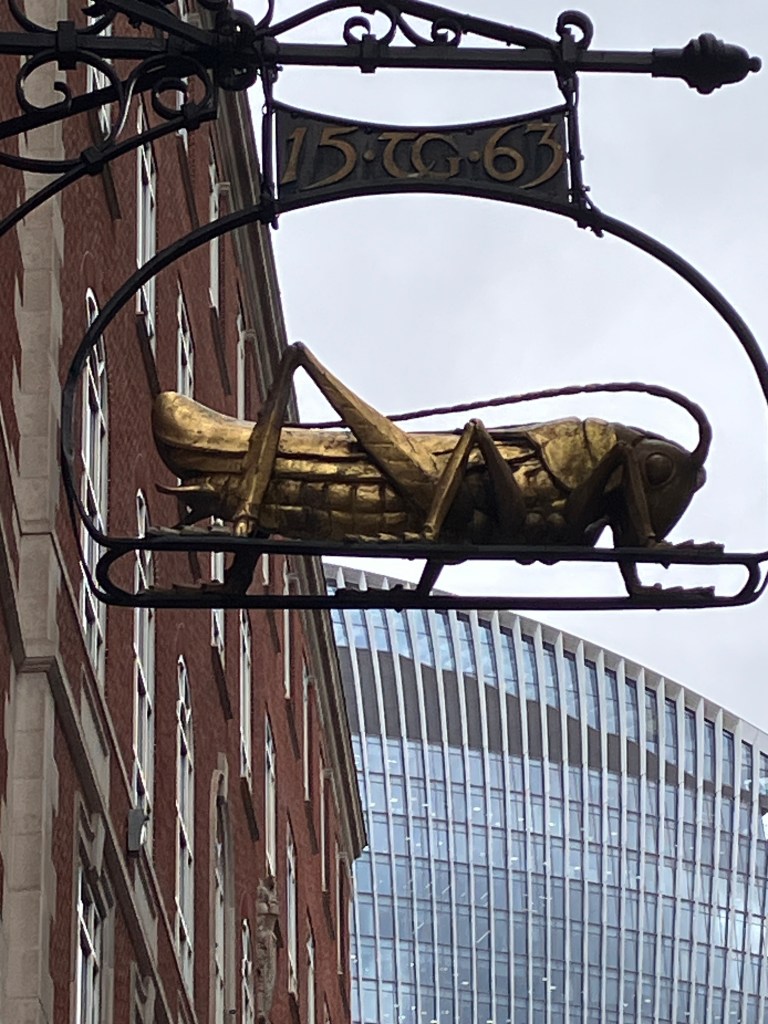
SET STUDIO, Lombard St at Change Alley
Down in the subterranean chamber I’ll be setting up the Eido and preparing the second iteration of Into the Sublime.

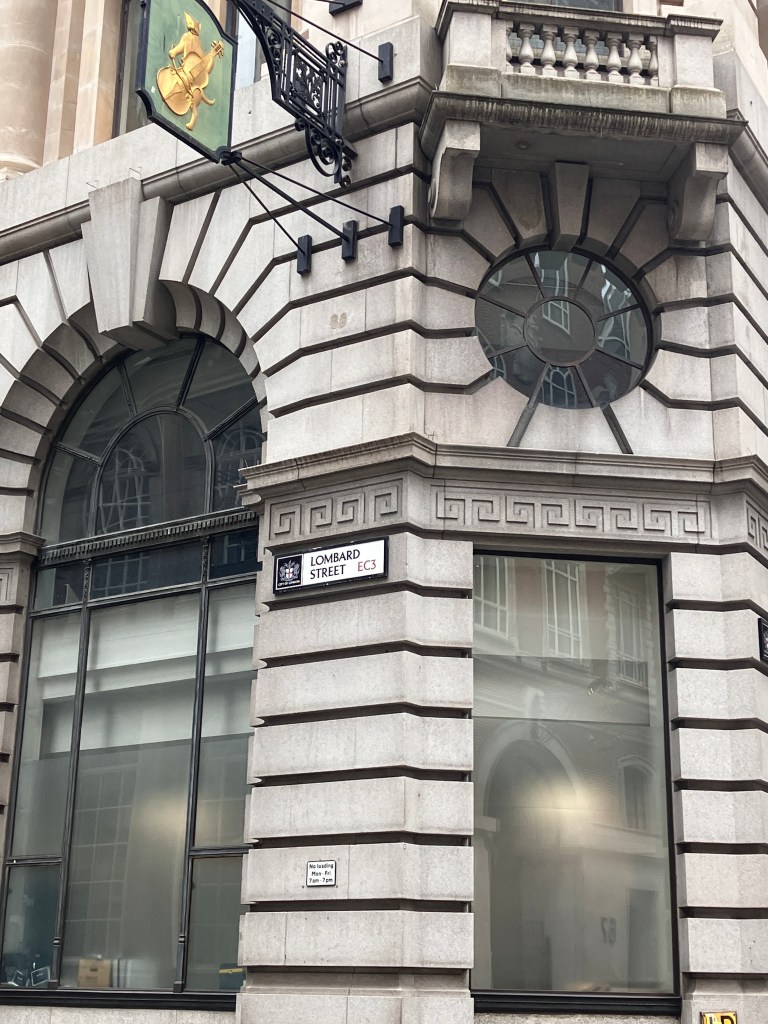
I did not think much about the City of London before the 2020 lockdown. I had been there, of course, given that I don’t live far, but I was mainly occupied by going to specific sites for particular reasons; I did not remain within the zone of contemplation of the City’s topography at all. This is a bit odd given the fact that I like a bit of psychogeography, but I was more of a North London or East London kind of explorer.
During lockdown, that changed; I started to look closer to home and went on marathon walks through every street and alley of the City during the spring and summer of 2020. I also read a lot of books about it. I gained a new appreciation of the city as a whole, as a historical site, and as a region of distinct oddness and idiosyncrasy.
Lombard Street has a rich history, evolving from a Roman road to the heart of banking in the City of London. It was named after the Lombard merchants and bankers of North Italy who settled there in the 12th century. In the 13th century, Edward I granted the bankers a plot of land, and the street became a home of banks and finance houses. Insuring and financing ships was a huge part of the business, so connection with the maritime trade routes was crucial – for all the good and evil that it brought. The original Lloyds Coffee House was also there; it’s marked by a plaque. Many transactions took place over coffee in the 17th and 18th centuries, and Lloyds eventually became the insurance giant Lloyds of London. The first Royal Exchange was there. The vast fortress of the Bank of England is around the corner.
Although the banks have all moved their head offices to newer and bigger buildings, Lombard St retains its particular atmosphere.
For me, the history-saturated street is an ideal place to manifest the Eidophusikon. What ghosts and spirits can I resurrect, and who will tell me their stories?
I’ll be doing a spiritual cleanse of the space this Friday.
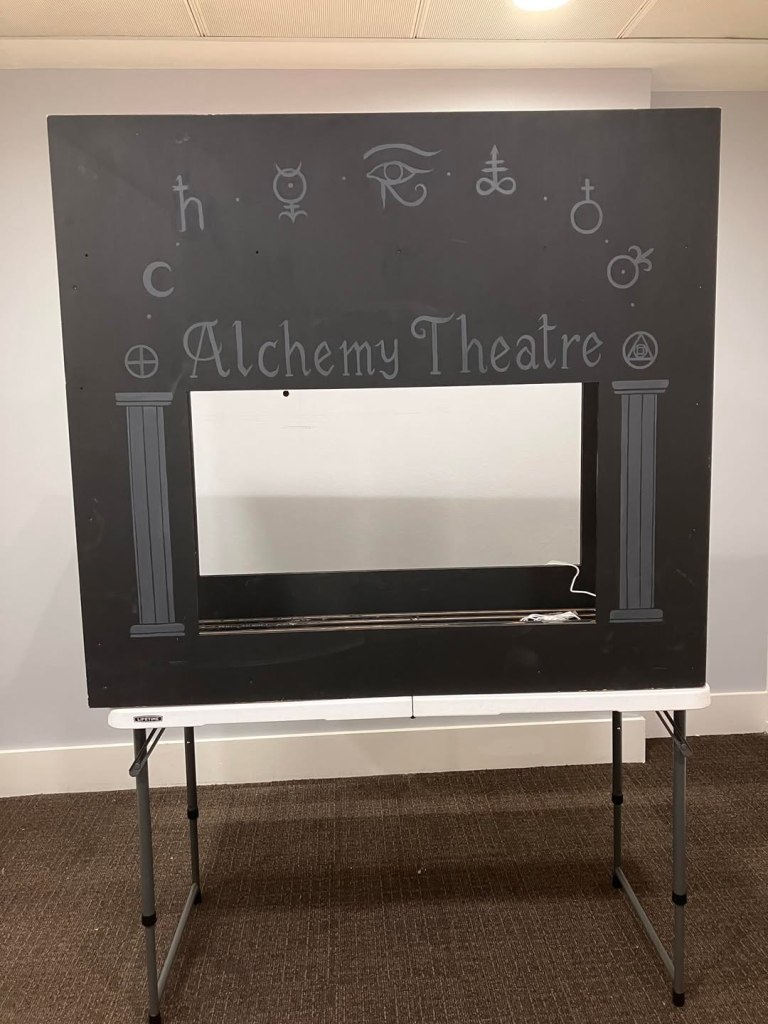
THE BARE BONES
 Art and Magick