
the self defense he never got to make
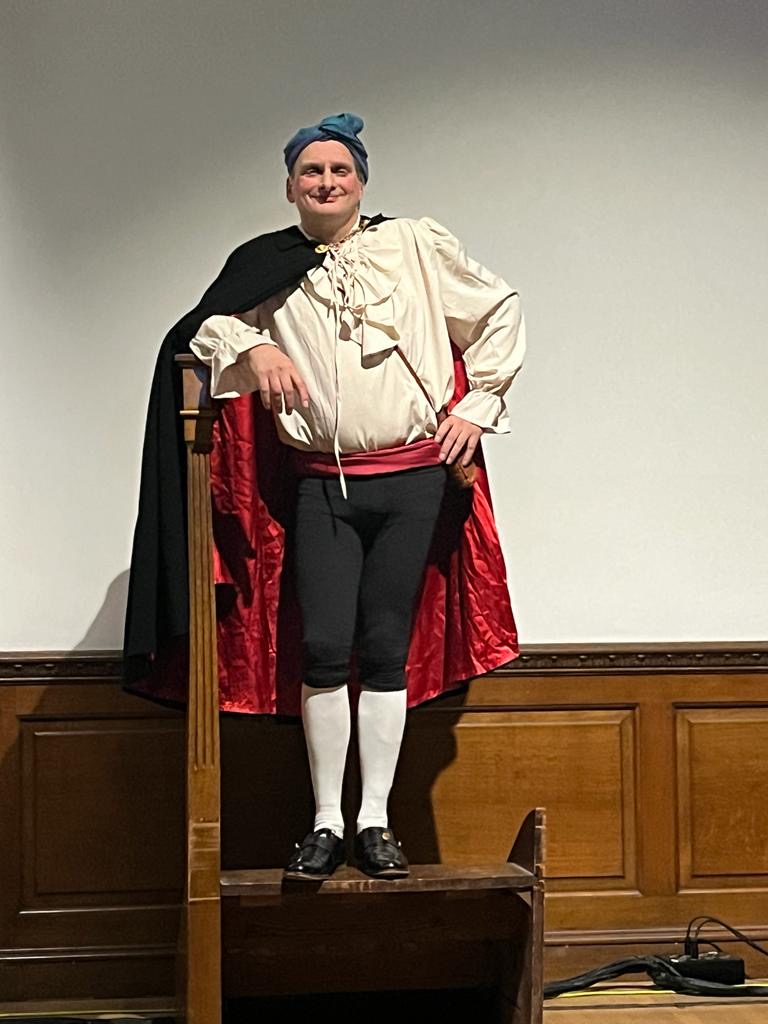
So, I’m writing a play, and it is already in production. Despite having
trained as a filmmaker, I had not done live theatre in many years. But then I
had an idea and ran with it.
Count Cagliostro’s Apologia is “the self-defence he never got to make.” Cagliostro was a notorious magician and personality who roamed around 18th-century Europe, gaining
adoring fans and vicious enemies. He was accused of being a charlatan and con
man, but others believed he had profound wisdom and power. Which one is it? Let the
audience make up their own minds as Cagliostro makes his case and tries to
explain himself! Jagoda Kamov is directing, with Maurizio Molino (above) as the Count.
We gave a sneak preview of ‘Profane and Sacred City,’ which was well received
by the audience. Keep an eye out for it.
Who was Cagliostro?
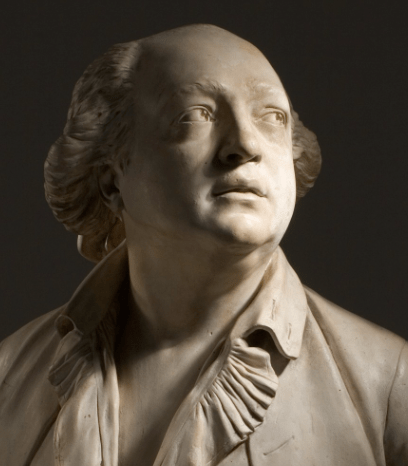
Count Alessandro di Cagliostro was possibly in Palermo, Sicily in 1743, but we don’t really know for sure. He was one of 18th century Europe’s most controversial figures. His was a life shrouded in mystery and intrigue, with many of his peers questioning his true identity and the authenticity of his claims. Cagliostro became notorious for his involvement in the infamous Affair of the Diamond Necklace at the French court, which further fueled the speculation surrounding his character.
Cagliostro’s early life is a subject of much debate. At times, he suggests that he was born into a humble family, while usually he claims noble descent. Regardless of his origins, Cagliostro’s life took a turn when he the secret society of the Freemasons. During this time, he adopted the name Cagliostro.
Cagliostro’s reputation as a mystic and alchemist quickly grew, and he claimed to possess the elixir of life and the ability to transmute base metals into gold. He always claimed that he got these secrets from Egypt and studied with the remaining priests of the ancient deities. He traveled extensively throughout Europe, offering his services as a healer and fortune-teller. His charismatic personality and alleged supernatural abilities attracted a large following, including members of the aristocracy.
In 1785, Cagliostro became embroiled in the scandalous by Jeanne de Valois-Saint-Rémy. This affair involved the theft of a necklace commissioned by Louis XV of France for his mistress, Madame du Barry. The necklace, worth a staggering sum, was stolen, and the blame initially fell on Cardinal Louis de Rohan, Cagliostro’s friend and supporter.
Cagliostro’s involvement in the affair stemmed from his association with the Cardinal. It was alleged that Cagliostro had convinced the Cardinal that he could use his mystical powers to win the Queen’s favour and help him regain his position at court. Cagliostro’s role in the affair remains unclear, but the actual culprit was Jeanne de Valois-Saint-Rémy, a minor noblewoman and impoverished descendant of the Valois royal family through an illegitimate son.
The trial following the Affair of the Diamond Necklace was a public sensation that captivated Europe’s attention. Cagliostro was arrested and accused of being the mastermind behind the theft. However, the evidence against him was weak, and he was eventually acquitted. Despite his acquittal, Cagliostro’s reputation was tarnished, and he was banished from France. The Affair was one more nail in the coffin of the Ancien Regime and the French disillusionment with the monarchy. The scandal, which laid bare the luxury and wastefulness of the court at a time so great privation among the people, was thought to have been one which gave moral weight and popular support for the French Revolution. Moreover, Calgiostro was accused (or celebrated) as a seer who foretold the fall of the French crown in 1789. Alas, he was imprisoned by the Inquisition in Italy and died in jail.
The controversy surrounding Cagliostro’s true identity persisted throughout his life. Some believed that he was the Sicilian conman Giuseppe Balsamo, while others argued that Balsamo was an imposter who had assumed the identity of the real Cagliostro. Others maintain they were always two utterly separate people. The lack of concrete evidence and conflicting accounts only added to the mystery surrounding his life.
Regardless of the controversy, Cagliostro’s impact on the occult and esoteric movements cannot be denied. He delved deeply into alchemy, Freemasonry, and the occult, but he took most of his vaunted secrets to the grave. However, his teachings and practices influenced many, and his legacy continues to inspire those interested in the mystical arts.
Count Alessandro di Cagliostro was a complex and enigmatic figure whose life was marked by controversy and intrigue. Whether he was truly Giuseppe Balsamo or someone else entirely remains a subject of debate. However, his (however tangential) involvement in the downfall of the Bourbon monarchy and his contributions to the occult and esoteric movements have left an indelible mark on history. Cagliostro’s life and work continue to fascinate and captivate those interested in the mysteries of the supernatural.
 Art and Magick