
I visited the new VR exhibition in Stratford the other week. The Horizon of Khufu is a virtual journey into the Great Pyramid of Khufu (or Cheops) on the Giza Plateau.
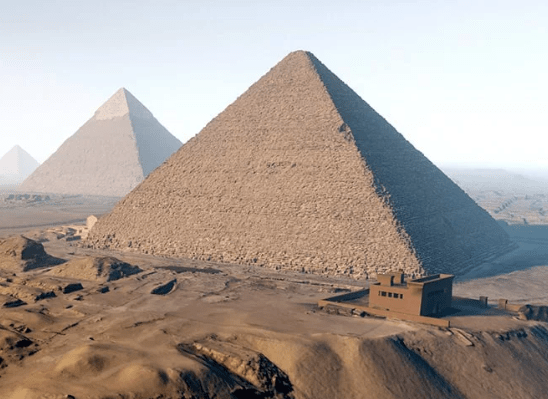
When I visited the actual Giza funerary site I was too claustrophobic to enter the pyramid, so I was intrigued to be able to do so vicariously.
You will know the pyramid, it’s the biggest one of the group of remaining pyramids. It was built during the Old Kingdom as part of a huge and complex landscape of tombs, pyramids and temples. Even now, it is still giving forth new finds and new information about a civilisation that lasted much longer and remained much more powerful than anything since the fall of Rome.
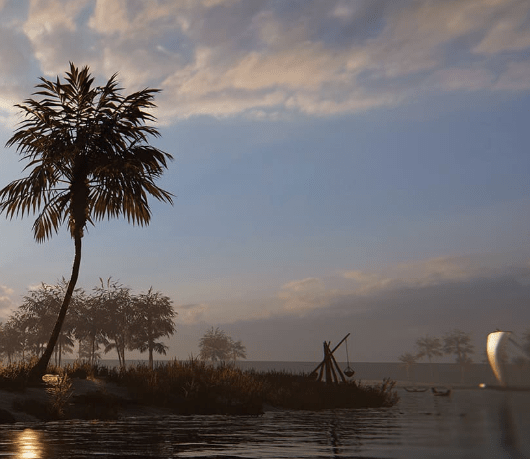
At first I expected that the “tour” would be a bit cheesy and superficial with a rather silly avatar guide,but once it was fully under way I realised that it was historically accurate and informative.

It also emphasised the spiritual aspect of Egyptian culture., making it clear that the cosmology of Egypt, its pantheon of gods and religious and magickal traditions were the core of the entire society.
As scholars are discovering more about Egyptian magickal practices, it makes sense to look at them as a key to understanding and appreciating the art and archaeology of the past civilisation.
But then we need to remember that it was always claimed- and frequently reasserted over generations- that the magick and alchemy understood in Europe originated in Egypt and Mesopotamia. That the great Hermes Trismegistus is an incarnation of the Egyptian god Thoth. This creates a link between occult belief systems that goes back millennia.
I was reminded of a meme that has been doing the rounds –

The sun IS real; the Sun is the source of life and so, if you think about it, worshipping the Sun – perhaps in its various incarnations as Ra, as Amun-Ra, as Aten or any other version of the solar disc – actually does make sense.
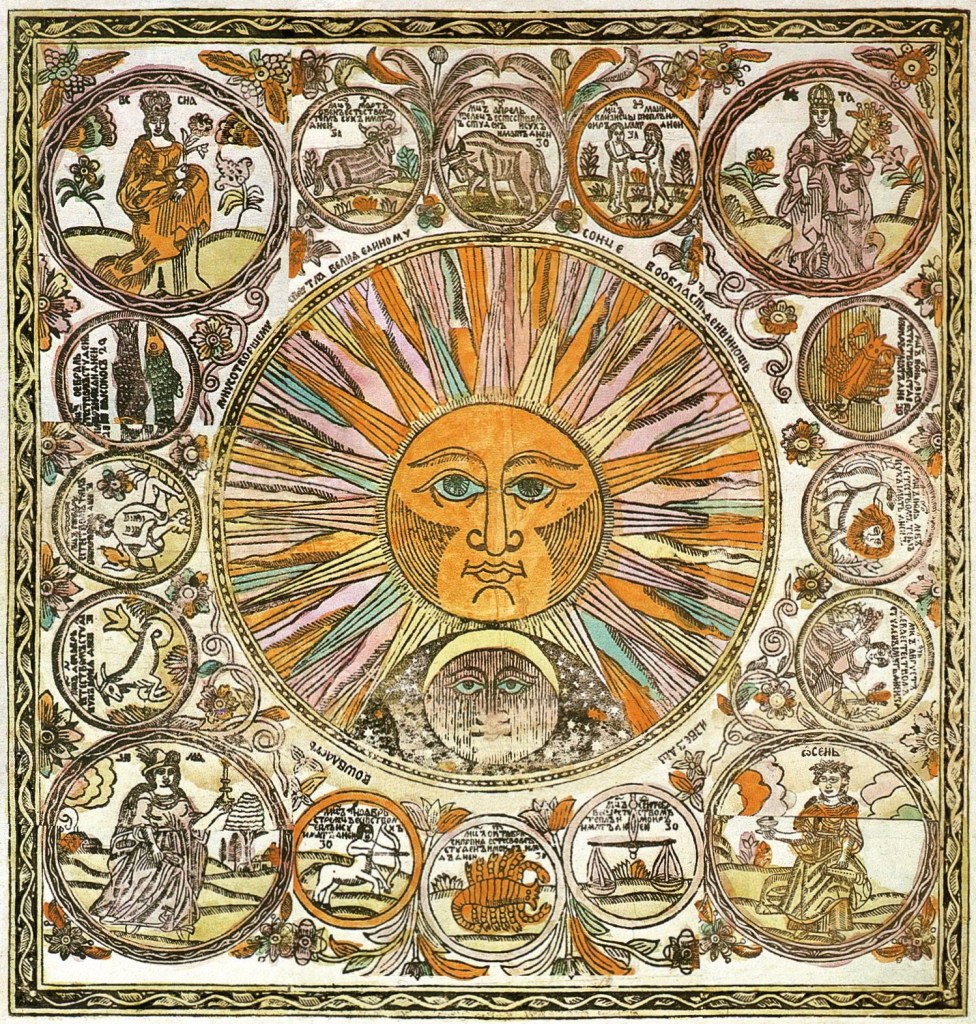
Of course you don’t actually have to believe in Ra, or Hermes Trismegistus or Thoth or anything at all to see the historical significance of this connection.
The Horizon of Khufu is mostly entertainment but it had quite an impact on me: a visceral though fleeting glimpse into a spirituality that remains powerful and compelling.
The Horizon of Khufu is truly a remarkable experience. It was created by Excurio, a virtual reality studio under the guidance of Peter Der Manuelian, professor of Egyptology and Anthropology at Harvard University. I personally support Dr Der Manuelian’s approach to communicating the discoveries of the past and our relationship with it. I think it’s rich and exciting.
 Art and Magick